Planning chemotherapy
Some of the tests might depend on the chemotherapy drugs you are having and the side effects they can cause.
Tests may include:
blood tests
your height and weight
physical examination
x-rays
scans
Chemotherapy drugs can stop your bone marrow producing enough of these blood cells:
So before treatment starts you need to have a blood test to check your levels of these.
If your RBC is too low, you may need a blood transfusion. If your WBC or your platelet count is too low, having more treatment could push them down to a level that isn’t safe.
You have blood tests to check your kidneys and liver. Your liver breaks down the chemotherapy drugs, and the kidneys get rid of them from your body. Some chemotherapy drugs can affect how well your liver and kidneys work. You might also have a test using a collection of your urine to see how well the kidneys are working.
You may have other blood tests, depending on your type of cancer.
Go to more information about blood tests
After your blood test, you’ll have to wait for the results to come back. If they are OK, you can go ahead with your treatment.
All chemotherapy drugs are specially prepared for each patient. This means you may have to wait while the hospital pharmacy prepares your drugs. This can take a while, so you might want to take something with you to pass the time.
To reduce the amount of time you have to wait, you can often have the blood tests a day or two before treatment. This could either be at the hospital or at your GP's surgery. Ask your chemotherapy nurse about this, if you think it would make things easier for you.
If your blood counts are abnormal, then your treatment will have to be delayed. You’ll get another appointment to come back and have another blood test. This is usually about a week later.
If the tests to check your liver and kidneys show that there have been changes in how well they’re working, you may need the dose of your treatment changed. Sometimes people may need a different treatment, but this is rare.
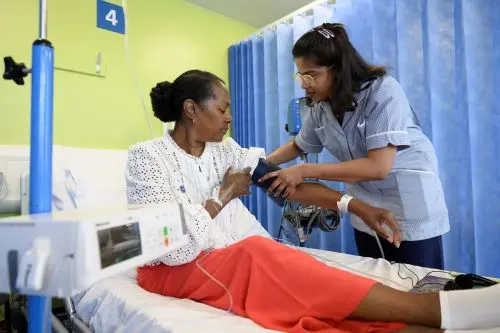
Your nurse checks your height and weight as the dose of chemotherapy is based on your size (body mass index). They might also check your blood pressure, pulse and oxygen levels.
During treatment your healthcare team will ask you about any side effects you have had.
Some chemotherapy drugs can affect the way your lungs work.
Your doctor will arrange for you to have a lung function test before you start taking any of these drugs. This measures how much air your lungs can hold and how well you're taking in oxygen.
Some chemotherapy drugs can affect the muscles of the heart. This could change the rhythm of your heartbeat. In most people, this will go back to normal after you finish the chemotherapy.
If you’re going to have one of these drugs, you need to have your heart checked before you start, and during treatment.
You might have a recording of the electrical activity of your heart. This test is called an electrocardiogram (ECG). An ECG tells your doctor how well your heart is working.
You might also have a heart scan to check the force that your heart is pumping with. This is either an echocardiogram (ECHO) or a multigated acquisition (MUGA) scan.
Before treatment you might have blood tests to check for viruses such as hepatitis B, hepatitis C and HIV. Chemotherapy could weaken your so infections like this could worsen or become active again if you've had them in the past. You may have medicines to prevent or treat infection.
Treatments for these viruses can interact with chemotherapy. Your healthcare team discuss this with you.
Some cancers produce chemicals (biomarkers) that can be found in the blood. Your doctor might take some blood to test for these markers. They can use this to see how well your treatment is working.
Your doctor might want to measure the cancer during treatment to see if the chemotherapy is working. This could be by:
x-rays
scans
measuring the lump if you can feel or see it from the outside of your body
You could need other tests, depending on the type of chemotherapy you have and the side effects it may cause.
These may include:
a hearing test (audiogram), if the chemotherapy can affect hearing
more regular blood tests to check your clotting, if you’re taking warfarin
more regular blood sugar tests, if you have diabetes and are taking steroids
Some chemotherapy drugs are more likely than others to cause . You might be able to bank sperm, or freeze eggs or embryos before your treatment begins.
Whether your infertility is temporary or permanent depends partly on your drugs and doses. You can ask your doctors if the drugs you’re having are likely to make you infertile.
Go to our information about fertility and chemotherapy
Your doctor might also suggest you see your dentist if there’s time before you start treatment. Having any dental treatment while you’re having chemotherapy can be more complicated. This is because there could be more risk of you getting an infection.
Last reviewed: 21 May 2024
Next review due: 21 May 2027
Treatments can include surgery, radiotherapy and drug treatments (such as chemotherapy, hormone therapy or targeted cancer drugs). Find out about treatments and how to cope with side effects.
There are many different types of tests or scans you might have to find out if you have cancer. The type you need depends on the symptoms you have and the part of the body affected. You might also have these to monitor your cancer during and after treatment.
Doctors plan a course of chemotherapy treatment for each individual person. The treatment plan might change from time to time.
People usually have chemotherapy either at home, in hospital or at a day clinic. There are different ways of having chemotherapy drugs. Your doctor will talk about the most suitable option for you.
Most chemotherapy side effects are temporary, but some people are affected months or years after treatment.
Chemotherapy is a standard treatment for some types of cancer. It uses anti cancer drugs to destroy cancer cells.



